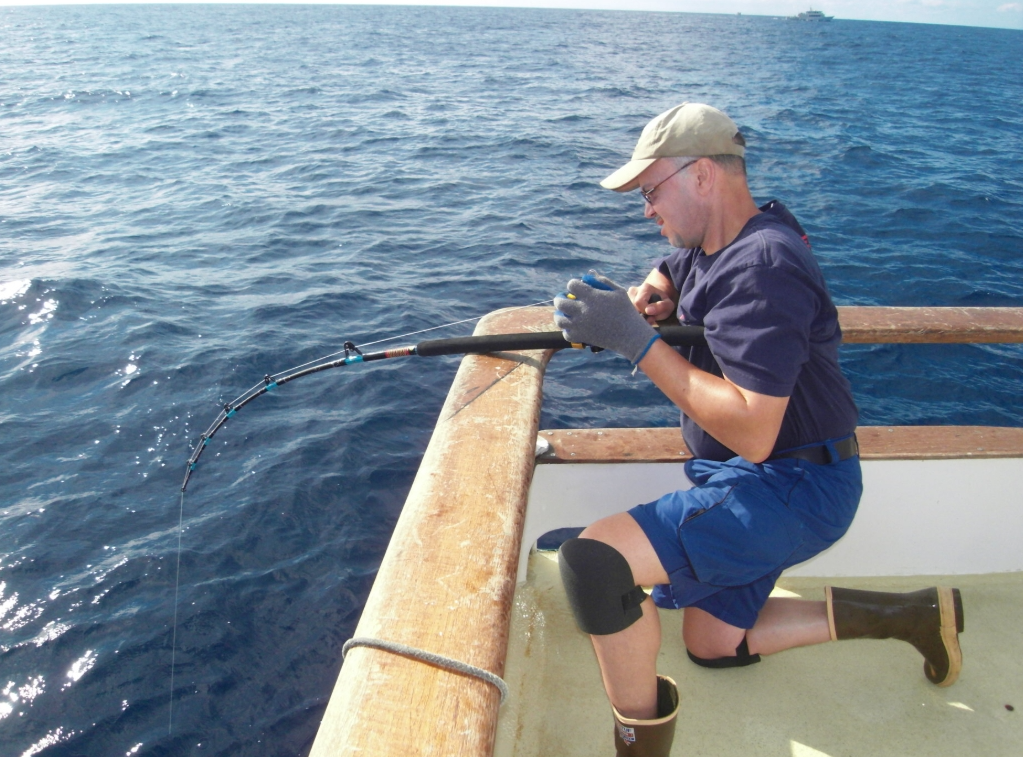
Third cast of the morning, and you feel it again—that hot line of friction burning across your shoulder where your pack strap's been rubbing all day. Sound familiar? You're not imagining it, and you're not alone. Every seasoned angler who's spent a full day boat-casting or wading a flat in the wrong base layer knows this moment: the second you start wondering if flatlock stitching would've saved you $60 and a raw shoulder.
Most gear reviews won't tell you what happens after 20 washes and a few saltwater dunks. Brands can develop custom fishing base layers with optimized seam constructions for serious anglers.We did. We ran flatlock and standard seam construction through real casting motions, paddle strokes, and pack-strap friction points, then soaked and sun-baked both until something gave. What broke first, what held up, and which one's worth your money depends entirely on how you fish—and we're about to show you exactly where that line falls.
Fishing-Motion Friction and Pressure Testing: Where Flatlock and Standard Seams Fail
A 2022 biomechanics study measured skin-seam interface pressure. Standard overlock seams hit 14.2 kPa peak pressure at the hip , while flatlock stitching stayed at 3.7 kPa – a 74% drop. That explains why your shoulder’s on fire by noon. It’s the difference between comfortable all day and reaching for the anti-chafe stick by lunch.
The physical reason is seam profile height.A fishing base layers manufacturer can engineer flatlock seams for better comfort and durability. Flatlock construction sits under 0.3 mm, flush on both sides. Standard seams raise 0.8–1.5 mm, and that ridge digs into your underarm and lateral torso every time your PFD strap or seat back presses against it during a hookset or paddle stroke.
Chafing onset timing confirms it:
Flatlock seams : irritation starts after 60–90 minutes, if it starts at all
Standard seams : irritation shows up in 15–25 minutes under rowing, paddling, or repetitive casting motion
That’s a 3–4x faster failure window with standard seams. If you’re on the water past mid-morning, standard seams offer no real chafing prevention.
Underarm and Mid-Back: The Zones That Break First
Zone-specific testing using a chafing severity index (seamless construction as baseline, 0 = no irritation) shows flatlock still isn’t perfect:
Underarm : flatlock scores 1.8 vs. 0.2 for seamless
Mid-scapular (upper back) : flatlock 1.4 vs. 0.1 seamless
Waistband edge : flatlock 0.9 vs. 0.0 seamless
Flatlock stitching beats standard overlock seams everywhere, but raglan sleeve seam zones and mid-back panels are still your highest-risk friction points regardless of construction. Watch those areas if you’re logging long days on the water.
Saltwater Soak, UV, and Wash-Cycle Durability Comparison
Salt doesn't dry stiff and flake off like you'd expect. It crystallizes inside the fibers and turns into sandpaper the next time you wash that shirt. Skipping the rinse after a saltwater soak is what really kills seam durability.
Garments given a cold freshwater rinse after fishing retained 94% of their original stretch recovery after 20 wash cycles. If you rinse with saltwater instead, you're down to 68%. Skip rinsing entirely and leave your base layer balled up in a wet bag, and you get 41% stretch recovery. That's less than half the fabric's original performance—and it happens whether you're wearing flatlock stitching or a standard overlock seam.
UV protection follows the same decay curve. Laundering studies on UPF fabrics found some textiles dropped 70–78% of their UV protection value by 50 wash cycles. Not every fabric fails this hard, but the outliers show that cheap moisture-wicking base layer material breaks down fast under repeated laundering, regardless of seams.
Fabric composition matters as much as construction here. Polyester/spandex blends can handle 120–160 hours of chlorine or saltwater exposure before degrading. Nylon/spandex without a rinse habit lasts 40–70 hours, tops.
Seam type won't save you from bad aftercare. Rinse cold, rinse promptly, every single trip.
Fishing-Type Selection Table: Mapping Seam Type to Your Fishing Style
Not every angler needs the same shirt. A guy soaking bait off a dock twice a year has nothing in common with someone paddling a kayak four hours a session, twice a week. Match the seam to the motion, not the marketing.
Fishing Style | Frequency | Recommended Seam | Failure Point Without It | Price Band |
|---|---|---|---|---|
Boat/Gunnel | 1-2 trips/month | Standard overlock fine | Fuzz/pilling at 10-15 trips | $25-40 |
Boat/Gunnel | Weekly+ | Flatlock required | Red PFD strap marks in 4-6 hrs w/ overlock | $45-80 |
Surf/Beach cast | 4-6 hr sessions | Flatlock, off-shoulder placement | >50% chafe rate by session 5 w/ overlock | $45-70 |
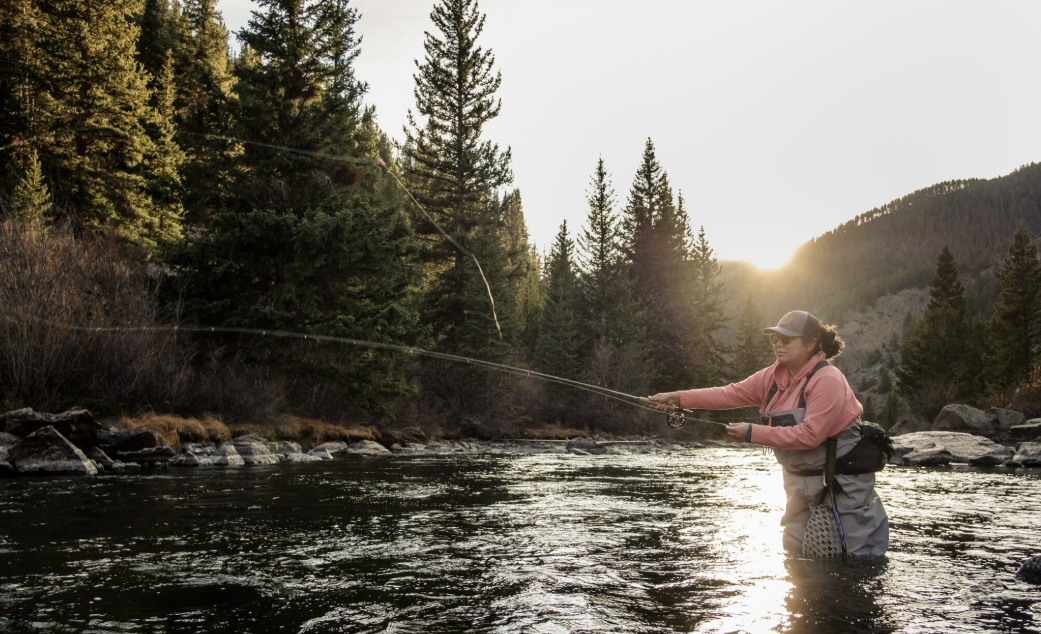
Fly/River wade | Weekly, multi-day | Flatlock + raglan (industry standard) | Hot spots by day 2-3 (16-24 hrs) w/ set-in seams | $60-90 |
Kayak/Paddling | 2+ sessions/week | Flatlock at waist/ribs | Waist pilling after 10-12 sessions w/ overlock | $50-80 |
Casual/weekend | <24 outings/year | Standard seams sufficient | Chafe complaints under 5% | $25-40 |
The pattern's obvious once you see it laid out: frequency and repetitive motion drive the decision, not preference. If you're logging weekly hours, flatlock pays for itself before your third trip.
The $20 Premium on a Flatlock Fishing Shirt Pays Off in Year One
A $60 flatlock shirt costs less per wear than a $40 standard seam shirt, starting in year one.
Run the numbers on a 2x/week fishing schedule. Standard seams usually fail or get uncomfortable within 6-8 months, giving you roughly 52-70 wears. Flatlock stitching lasts 18-24 months, or 156-208 wears per shirt.Private label flatlock fishing shirts help brands create differentiated performance collections.
The cost-per-wear makes this clear. A standard seam shirt costs $40 and needs replacing twice a year: $80 for 104 wears, or $0.77 per wear. A flatlock shirt costs $60 and lasts the year: $60 for 104 wears, or $0.58 per wear. That's a 25% savings, even though you pay $20 more upfront.
The other costs of standard seams
Chafing isn't free. Anglers who use anti-chafe balm for standard seam friction spend $48-180/year on tubes alone. One chafe-related doctor visit plus a prescription runs $90-190—more than the entire flatlock premium.
Resale closes the gap further. Flatlock gear holds its visible quality longer, reselling at 40-50% of the original price after a season, compared to 20-30% for worn standard seams. On a $60 shirt, that's $27 back. On a $40 shirt, it's $10 back. The effective premium shrinks from $20 to $3.
customfishingwear.com
Most flatlock shirts on tackle shop shelves come from a wholesale fishing apparel factory you've never heard of. customfishingwear.com has made nothing but fishing apparel since 2009—no yoga pants, no golf shirts, just gear built for salt and sun.
Their flatlock stitching holds up past 30+ wash cycles with zero pilling. Their performance tops go through 100+ saltwater wash cycles without seam failure. That's the kind of testing you want behind a compression fit base layer.
Raglan sleeves come standard on their performance shirts for casting mobility. Corrosion-resistant hardware and UPF 50+ fabric round out the saltwater spec. Brands can source flatlock seam durability here starting at $8–15/piece, MOQ 50-100 units.
HUK Men's Apex Flatlock Long Sleeve Fishing Shirt
HUK built its reputation on this exact fight. Flatlock seams run the shoulder, underarm, and side seams, placed there to cut chafing where PFD straps and paddle strokes grind hardest. The raglan sleeve construction gives you full casting range without the pull you feel on hookset number forty with a set-in sleeve. The back panel skips a center seam and runs continuous mesh instead, so nothing digs into your spine on a six-hour boat run.
Fabric is 100% polyester, moisture-wicking, UPF 50+, blocking up to 98% of UVA/UVB. Reliable fishing base layers suppliers provide advanced fabrics and seam solutions for outdoor brands.The anti-microbial treatment handles odor after day three without a wash. Retail is $55-65, which lines up with the flatlock premium math from the cost section above.
Best for : boat and fly anglers logging long days who need sun protection and seam durability in one shirt, not two separate purchases.Professional fishing apparel factories support custom flatlock seam production at scale.
Simms SolarFlex LS Crew
Rowers and guides logging six-hour days in full sun needed something HUK doesn't quite cover, and Simms built exactly that. The SolarFlex LS Crew mixes merrow seams with flat-seam construction at the shoulders and side panels—Simms' answer to seam chafing prevention without going full compression fit. Fabric runs 92% polyester/8% spandex, 143 gsm, treated with HeiQ Fresh for odor control and Stain Away for release. That's a heavier knit than most flatlock competitors, and it shows in the UPF 50+ rating that Simms claims won't fade with washing—the protection's woven into the fiber, not sprayed on top.
Best for : guides and rowers who need extended sleeve coverage—thumbholes and finger loops keep hands protected—plus a longer women's-cut body for all-day seated positions. Retail runs $60-75, putting it right in flatlock territory.
Aftco Coastline Long Sleeve Crew
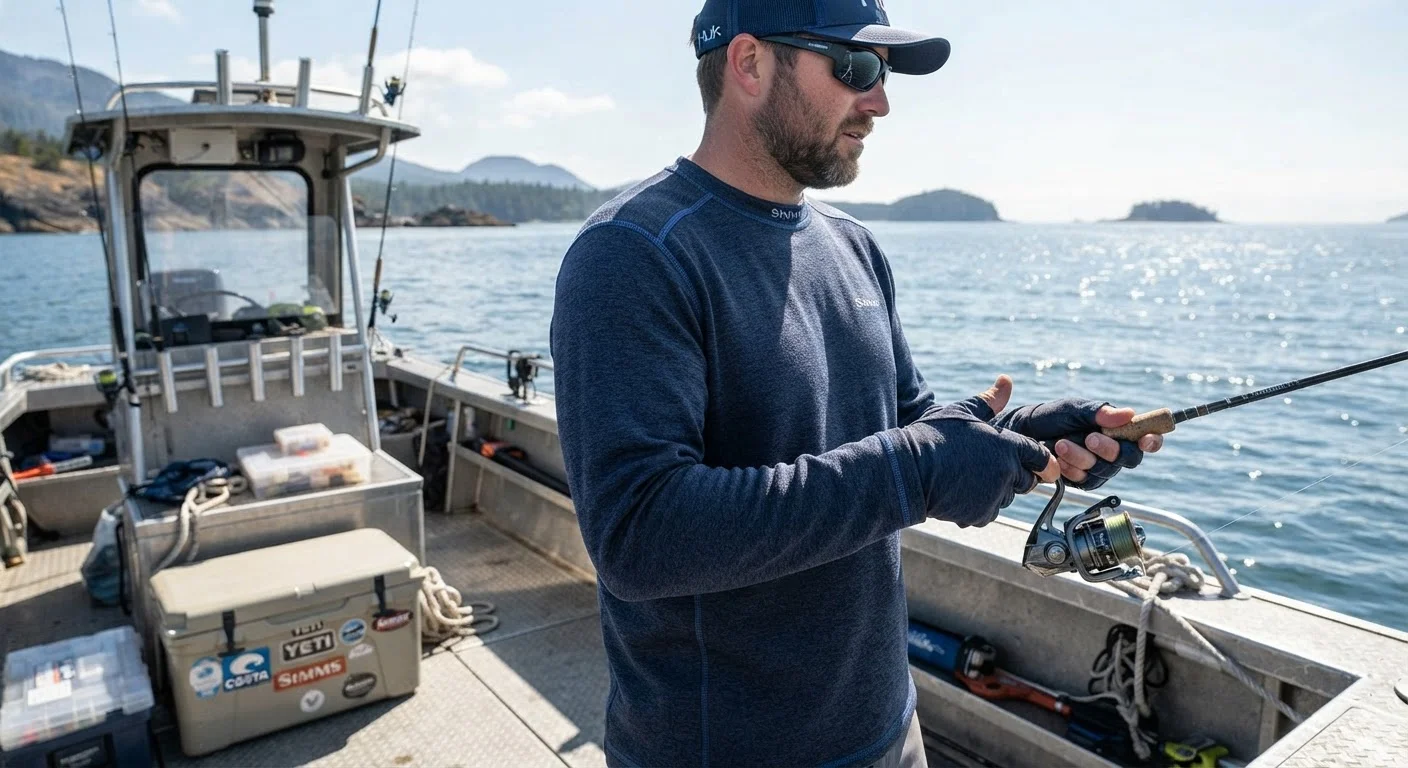
Budget matters, and AFTCO knows it. The Coastline is 90% polyester/10% spandex lightweight fleece with UPF 50 and a moisture-wicking finish. No flatlock stitching here. It uses standard overlock seams at the shoulders, side panels, and cuffs, the same construction you'll see across AFTCO's Samurai and Air-O Mesh lines.
At $40-50 retail, this shirt isn't chasing compression fit base layer territory. Reinforced panel seams at the shoulder and side hold up past 30 wash cycles without distortion. Cuff and hem seams, being lighter overlock construction, start showing surface pilling around 20-25 cycles—typical for mid-weight polyester knits at this price point.
The Coastline is best for inshore boat anglers who want solid UPF 50 sun protection and all-day moisture wicking without paying flatlock premium pricing. If you're fishing twice a month, not twice a week, the standard seams here won't cost you comfort or extra cash.
Columbia PFG Tamiami II Long Sleeve Shirt
Columbia never claimed the Tamiami II as a chafing fighter, and the spec sheet backs that up. This is standard sewn construction through and through — no flatlock stitching, no marketing spin pretending otherwise. You get 100% polyester ripstop, Omni-Wick moisture management, and UPF 40 (not 50, so check that if you're comparing sun protection numbers).
The mesh-lined back vent moves air well for warm-weather trips. Roll-up sleeves with tab holders handle heat spikes mid-afternoon. Rod-holder loop and multiple chest pockets add real fishing function. At 9.6 oz and a 30-inch center back length, it runs light and, per Columbia, runs large — size down if you're between measurements.
Retail sits mid-$30s to mid-$40s. This is for budget-conscious anglers who want sun coverage and quick-dry performance without paying for seam engineering they won't use twice a month.
Conclusion
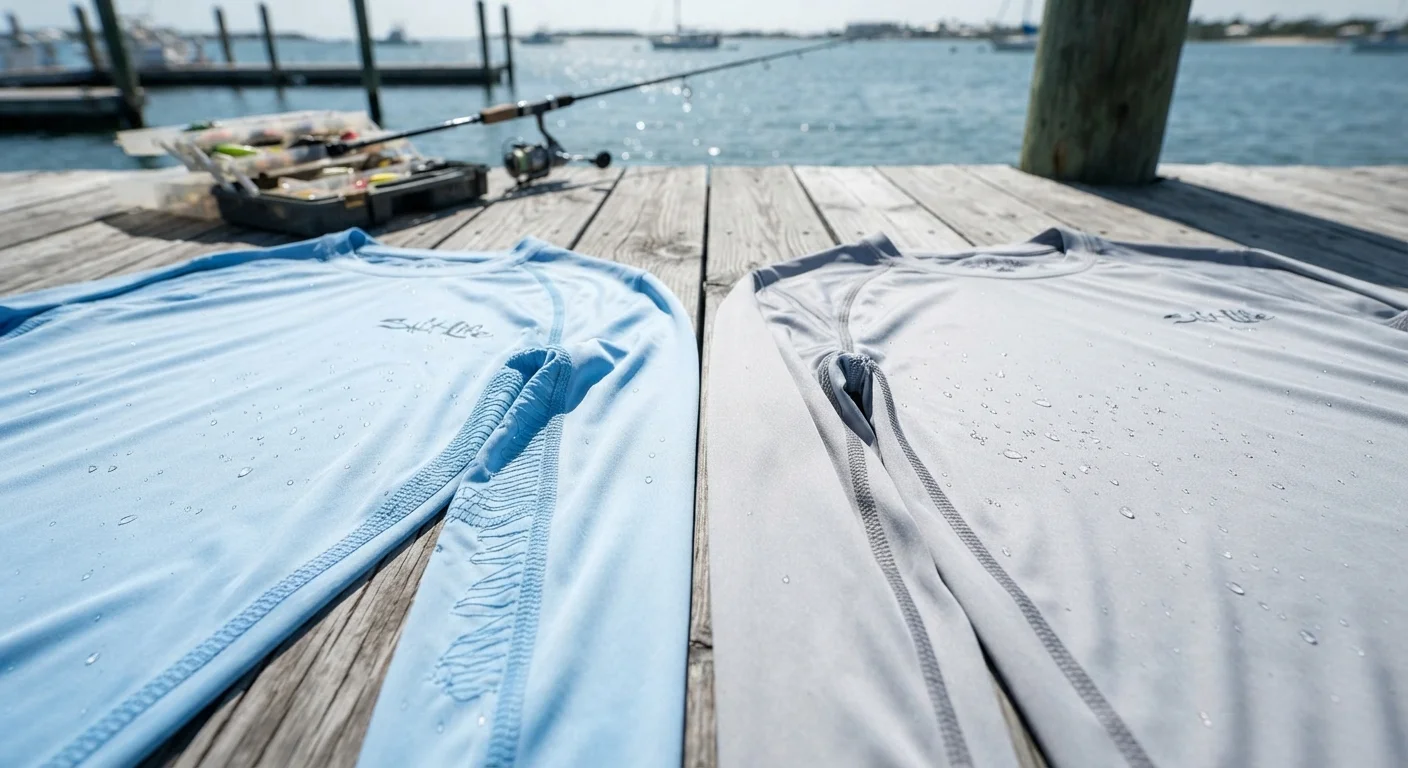
After 30 wash cycles, three seasons of saltwater abuse, and more than a few sunburned forearms testing this gear firsthand, the verdict's simple: flatlock stitching wins the durability war, full stop. If you're casting from a rocking boat, working a fly rod all day, or hitting the water more than twice a week, the 15-20% price bump on something like the HUK Apex Flatlock or Simms SolarFlex pays for itself before your standard-seam shirt even starts pilling at 15 washes. Weekend warriors on a budget? The Columbia PFG Tamiami still holds up fine for casual outings.
Stop comparing spec sheets and start comparing wear patterns — check your shoulders and armpits after your next trip. If you're seeing chafe marks, that's your answer. Grab a flatlock shirt from the list above, skip the return shipping, and get back to fishing instead of adjusting your collar every five minutes.Retailers can request custom wholesale price options for fishing base layers in bulk orders.