If your next shipment from China just got hit with another round of tariffs—or your customers are tired of waiting six weeks for restocks—you're not alone. More North American fishing apparel brands are quietly shifting production closer to home, and Mexico has become the top choice for nearshore apparel manufacturing that doesn't sacrifice quality.
But not every fishing apparel factory south of the border can handle technical performance fabrics, UPF-rated fishing gear, or sublimation printing at scale. That's exactly why I dug into the two OEM fishing apparel manufacturers in Mexico that are built to serve North American brands—breaking down their MOQs, lead times, and specialties so you can skip months of vetting. I'm also throwing in a side-by-side comparison with a proven China-based alternative, plus a practical checklist for vetting any manufacturer before you sign a contract.
NovaLink – US-Managed OEM Apparel Manufacturer with Mexico Production
Founded in 1988, NovaLink has spent over three decades perfecting nearshore garment production, and it shows in how they structure their operation.
NovaLink’s management sits in Texas, but the production floor sits in Mexico. Their headquarters operates out of Brownsville, Texas (3301 Nafta Parkway, Suite A), while manufacturing happens across two massive facilities in Matamoros, each spanning 200,000 to 400,000 square feet, plus a newer 78,000-square-foot plant in Saltillo that opened in 2023.
That’s a serious footprint. With 2,000+ employees across their Mexico operations, it’s a full-scale production ecosystem.
The "Factory-Within-a-Factory" Model
NovaLink calls it the factory-within-a-factory. Your brand gets a dedicated production line inside their existing facility, complete with your own equipment and staff, while NovaLink handles the messy stuff: compliance, HR, admin, warehousing. For fishing apparel brands scaling past a few thousand units annually, this setup lets you own a slice of Mexican fishing apparel manufacturing capacity without building a factory from scratch.
Their client roster backs this up. NovaLink has produced for Patagonia and Turtle Fur, both brands that demand technical performance fabrics, UV protection, and moisture-wicking capabilities. That’s directly transferable to UPF fishing clothing and sublimation fishing apparel production.
Who Should Work With NovaLink
Based on their positioning and facility scale, expect:
MOQ range: 300-500 units per color/size combo, 1,000-3,000 units total per style
Sample development: 2-3 weeks for basic pattern adjustments, 4-6 weeks for new patterns with technical fabric testing
Best fit: Small-to-mid-sized fishing apparel brands without in-house manufacturing infrastructure, planning to scale from thousands to tens of thousands of units
Contact their team at [email protected] or reach CEO Jason Wolfe ([email protected]) for strategic partnership discussions.
Grupo Denim – Heavy-Duty Workwear & Utility Fishing Pants Manufacturer
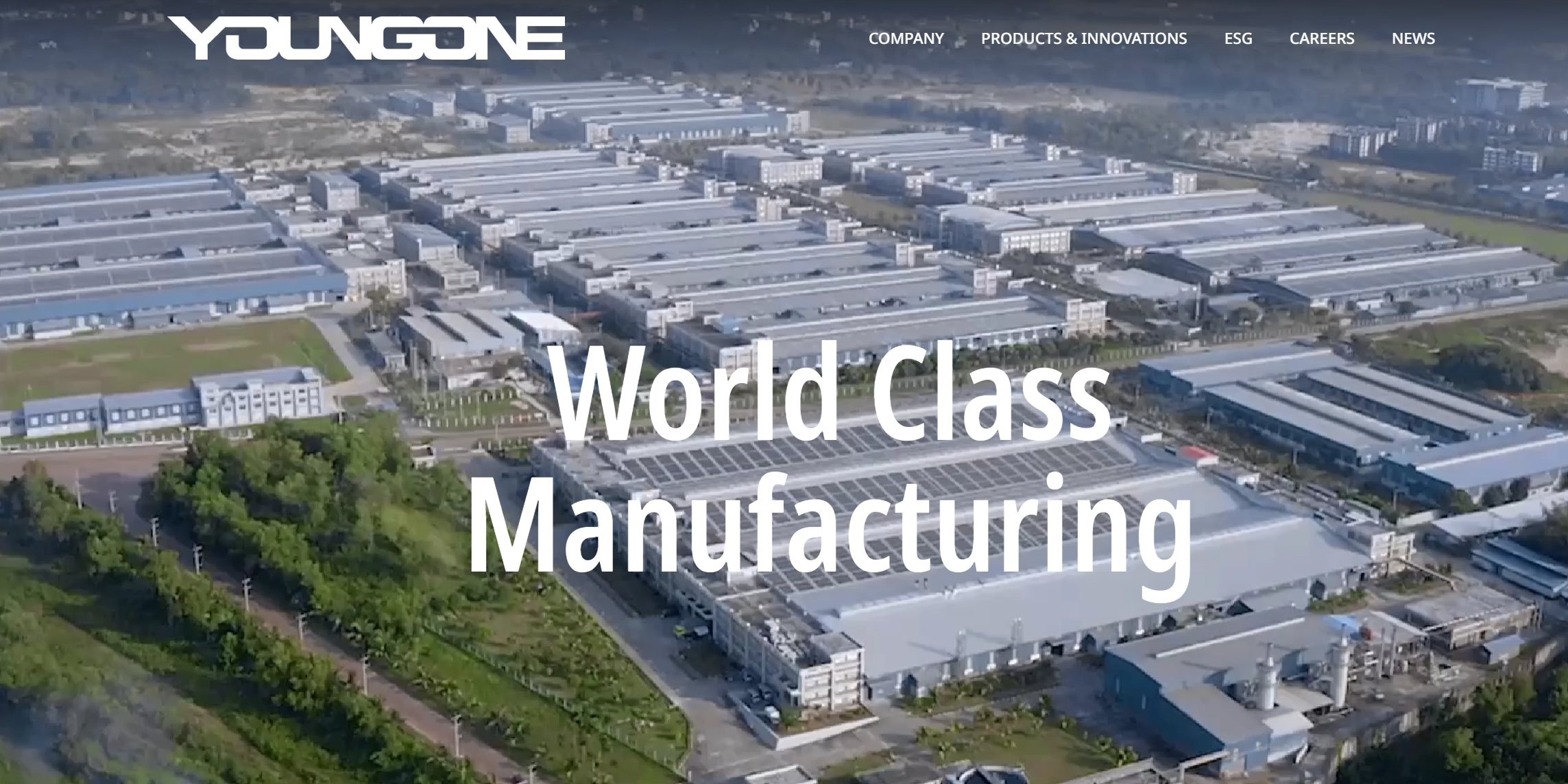
Seven fishing apparel factories, over 7,000 employees, 1,600,000 garments a month. That's the scale Grupo Denim operates at, and it's why they've quietly become a go-to fishing apparel manufacturer in Mexico for brands that need rugged, industrial-grade gear.
Grupo Denim's core business is denim and workwear exports—fashion denim, workwear bottoms, workwear tops, uniforms, and flame-resistant (FR) apparel. Roughly 95% of their production ships to the US, with a Denver office handling marketing and logistics on the American side.
Why Workwear Expertise Translates to Fishing Gear
Grupo Denim's dungarees and bibs are essentially unfinished fishing bibs. Add a waterproof layer, tool pockets, and D-rings, and you've got wading bibs. Their carpenter pants and twill utility pants already feature reinforced knees, multiple pockets, and tool loops—swap the fabric for a 7-10 oz ripstop cotton-nylon blend, add lure-box-sized pockets and quick-dry mesh lining, and you've got rugged utility fishing pants.
They work across a 5-15 oz fabric range, covering everything from lightweight fashion denim to heavier workwear textiles. That range, combined with their experience in flame-resistant apparel, means they're comfortable with reinforced stitching, rivets, and the durability treatments that matter for saltwater and offshore fishing gear.
Who This Factory Fits
Grupo Denim doesn't make UPF-rated moisture-wicking shirts or sublimation fishing apparel. But if you're building heavy-duty fishing pants or bibs for offshore/inshore saltwater use, utility fishing vests with industrial-grade pocket structures, or rugged Carhartt-style fishing apparel for mass-market brands, their combination of high-volume denim production and workwear durability expertise makes them a strong nearshore fit. Given their scale, expect MOQs in the 300-800 units per style range for established categories, with first orders on new fishing-specific lines likely running higher.
Customfishingwear (China) – OEM/ODM Fishing Apparel Factory
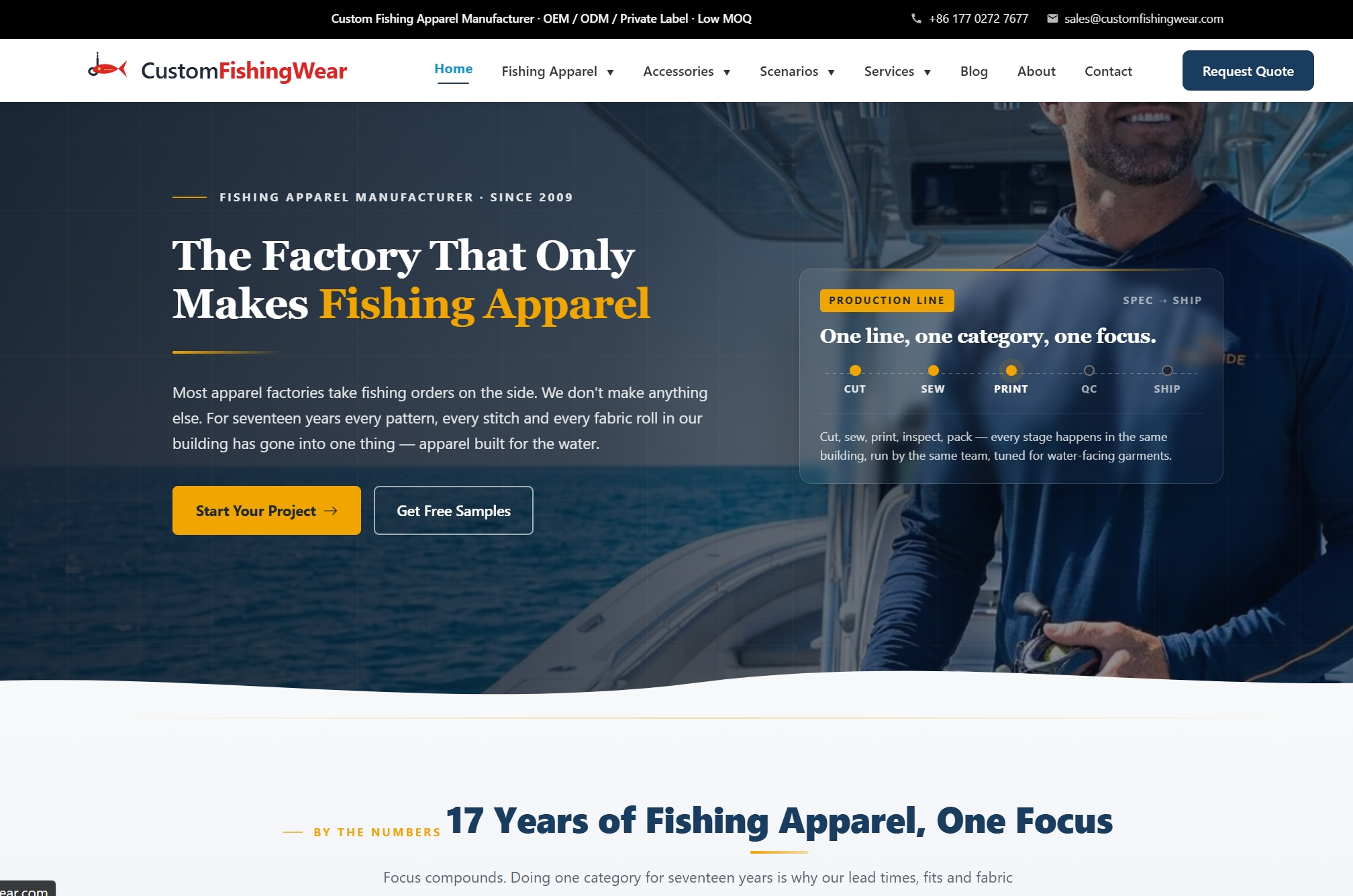
Seventeen years in, CustomFishingWear has never made anything except fishing apparel. That focus shows up in their catalog: fishing shirts, hoodies, jackets, pants, shorts, plus a full ice-fishing lineup covering insulated bibs, flotation suits, thermal base layers, and windproof shells.
MOQ starts at 100 pieces , which falls within the typical 50-200 piece range for China-based fishing apparel OEM factories. Sampling takes 7-10 days. You can choose OEM (bring your own tech pack) or ODM (customize their base patterns), depending on how fast you need to launch.
Where They Fit vs. Nearshore Options
Fabric-wise, they cover UPF 50+, quick-dry, and moisture-wicking construction. That's solid for performance fishing hoodies and sun-protection tees. But if you need sublimation printing for tournament jerseys with heavy print work, a sportswear specialist may still have the edge on print technology.
Side-by-Side Comparison: MOQ, Lead Time, Specialty & Best-Fit Fishing Styles
Numbers cut through the sales pitch faster than any factory tour ever will. Here's how NovaLink, Grupo Denim, and our China-based option compare on MOQs, lead times, and specialties.
Factory | MOQ | Sample Time | Bulk Lead Time | Specialty | Best-Fit Styles |
|---|---|---|---|---|---|
NovaLink | 300-500/color, 1,000-3,000/style | 2-3 wks (basic), 4-6 wks (technical) | ~4-6 wks + 3-5 days truck freight to US | Technical performance fabrics, UV protection, moisture-wicking | UPF fishing shirts, performance polos, sublimation-adjacent gear |
Grupo Denim | 300-800/style | Varies, workwear patterns move fast | ~4-5 wks + 3-5 days truck freight | Heavy-duty denim/workwear, FR fabrics, reinforced stitching | Wading bibs, utility fishing pants, industrial-grade vests |
CustomFishingWear (China) | 100/style | 7-10 days | ~30-45 days + 4-6 wks ocean freight | UPF 50+, quick-dry, full OEM/ODM catalog | Fishing hoodies, sun-protection tees, ice-fishing lineup |
The MOQ gap jumps out first. CustomFishingWear's 100-piece minimum beats both Mexican factories by a wide margin, which helps if you're testing a new design before committing capital.
Shipping time is where nearshore wins outright. NovaLink and Grupo Denim add 3-5 days of truck freight from Mexico to reach US warehouses. CustomFishingWear's ocean freight adds 4-6 weeks on top of production. Even with a higher MOQ, your total time-to-shelf from Mexico often beats China once freight enters the equation.
Specialty is where the real decision happens. Need UPF fishing clothing or sublimation-style performance shirts? NovaLink's technical fabric experience, proven with Patagonia and Turtle Fur, makes it the stronger nearshore pick. Building rugged fishing bibs, wading pants, or utility vests? Grupo Denim's workwear background covers that territory better than either alternative.
Neither Mexican fishing apparel manufacturer handles heavy sublimation printing at production scale yet. CustomFishingWear or a dedicated sportswear printer fills that gap better. If tournament jerseys with dense graphics are your core product, factor that limitation into your sourcing plan before you commit to a nearshore-only strategy.
How to Screen and Validate a Mexican OEM Fishing Apparel Partner
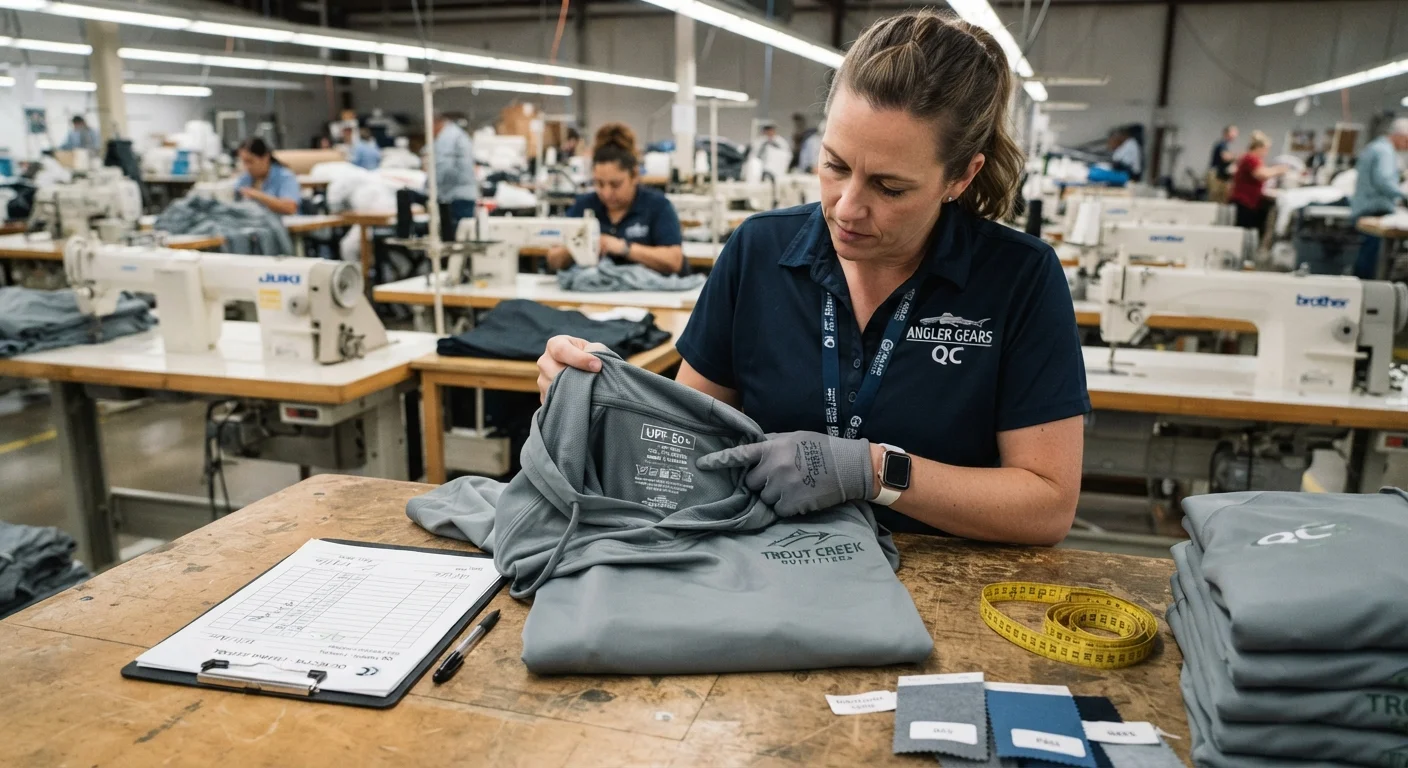
Most brands skip the vetting process and pay for it later—wrong GSM, missing UPF certs, a factory that's never touched moisture-wicking fabric before. Here's the checklist I'd run before wiring a single deposit to any fishing apparel manufacturing Mexico option.
Start With a Quantified RFI
Send a standard questionnaire and force numbers, not promises:
Category experience : Request photos or orders from the last 2-3 years proving fishing, outdoor, or technical workwear production—minimum 3 brand references
MOQ : Anything above 300 units/color for a private label fishing apparel run should raise a flag
Lead time : 10-20 days for samples, 45-60 days for bulk is standard; anything past 75 days signals capacity problems
US/Canada export history : Ask for HS codes, shipping ports (Laredo, Manzanillo, Veracruz), and Incoterms from their last three American shipments
No outdoor experience or zero English-speaking staff? Cut them.
Verify the Fabric Specs, Not Just the Sales Pitch
If you're sourcing a performance fishing shirts factory, demand the actual paperwork:
UPF 50+ certification : Third-party lab reports (AATCC 183 or AS/NZS 4399), not verbal claims
GSM ranges : 120-170 gsm for sun-protection long sleeves, 130-150 gsm for quick-dry tees, 220-280 gsm for softshell layers
ISO 9001 certification : Confirm the certificate number against the issuing body's website
AQL standards : Industry benchmark sits at AQL 2.5 for major defects—ask for six months of internal QA data to check their actual defect rate
Test Their Tech Pack Skills Before You Commit
Send a non-critical style's tech pack and see what comes back. A legit custom fishing jerseys manufacturer should flag stitch types, sublimation area limits, and seam allowance issues within 3 business days—plus a rough quote and sample timeline.
Nail Down Payment Terms Early
First orders run 30% deposit plus 70% before shipment. Once quality proves consistent, push for 20/80 by your third order. For US-bound freight, confirm whether they can handle DDP. That's critical if you're fulfilling through Amazon FBA.
How to Reach Out: First Contact Templates & Industry Directories
Cold-emailing a factory with "Hey, can you make fishing shirts?" gets you ignored. Here's the sequence that actually gets a reply.
Find Them Through the Right Directories First
Skip Google. Mexican manufacturing directories like CANAIVE, CANACINTRA, SIEM, and MexBest list real factories by industry, region, and product category, not SEO-optimized landing pages. Filter by apparel/textiles, narrow to a state or city, then search factory pages using terms like maquila , confección , OEM , private label , and cut & sew . Cross-reference 3-5 factories from the same directory and keep the ones that actually list MOQ, certifications, and export history. That's your shortlist.
Once you've got a company name, verify through their website or LinkedIn before emailing. If there's no direct contact listed, call the main line or use the site's Contact Us form.
The First Email That Actually Gets Opened
Keep it under 125 words. One ask, one CTA.
Subject line: [Your Brand] x Fishing Apparel Inquiry
Body template:
Hello [Name], we found your company via [CANAIVE/MexBest]. We're [Brand], a North American fishing apparel brand focused on [UPF shirts/wading bibs/etc.].
Our estimated volume for the next 12 months is [X-Y] units/month across [2-3 SKUs]. Our quality target is similar to [benchmark brand] in [price tier].
Could you share: (1) company profile, (2) MOQ per SKU, (3) lead time, (4) indicative FOB price range, and (5) relevant certifications?
That's it. No fluff, no backstory.
Follow Up Like You Mean It
Send the intro on Day 1. If they didn't cover MOQ, lead time, and price range, push for those on Day 4-5. On Day 8-12, request full company profile, capacity numbers, and sample process.
No response after round three? Move to the next factory on your list.
Use SPIN-style questions to get real numbers instead of vague promises: "What's your current monthly capacity for fishing apparel?" then "How does unit cost change at 500 vs. 3,000 pieces?" Factories that answer specifics in round one are worth pursuing. The ones that stall on MOQ or dodge certification questions aren't.
Conclusion
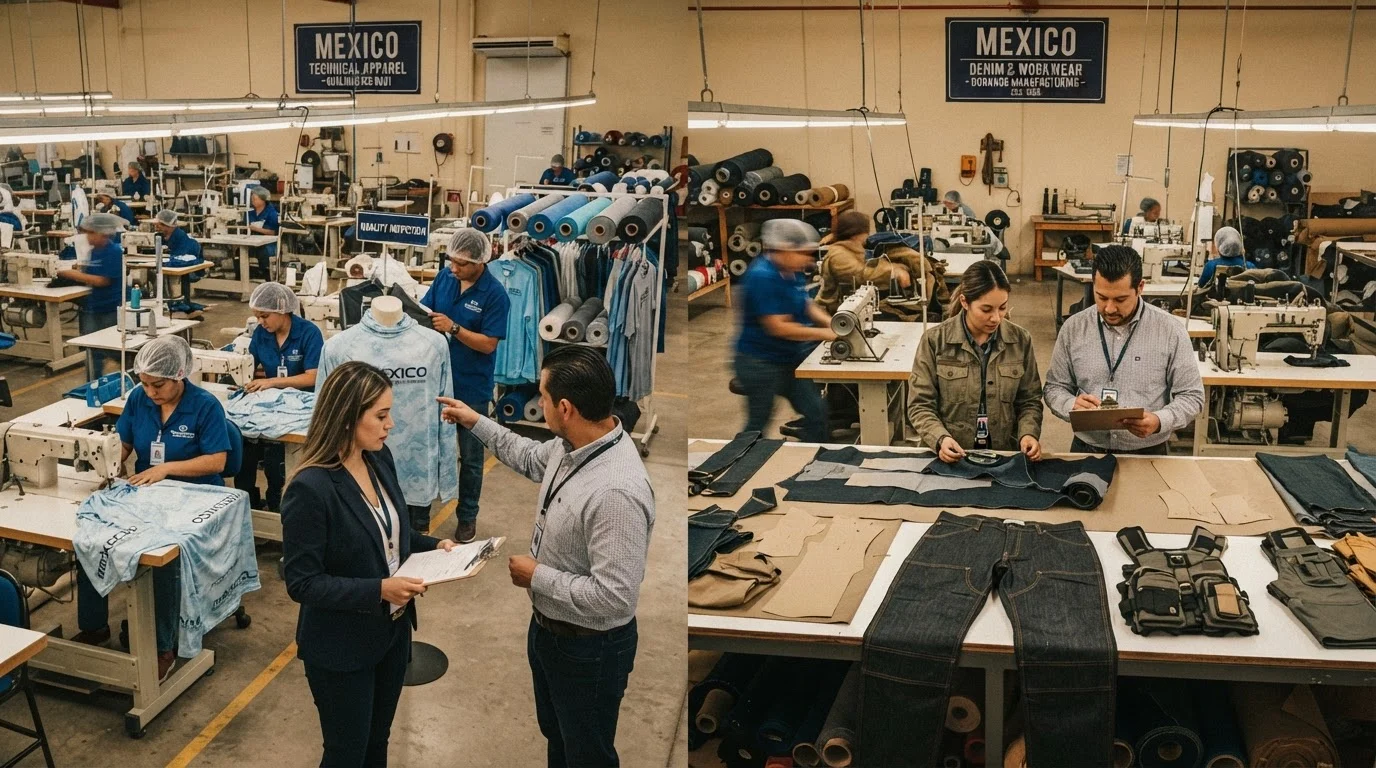
Your choice between NovaLink and Grupo Denim depends on what you're building. If you need US-style project management with Mexico's production speed, NovaLink fits. If you're producing rugged, utility-focused fishing pants at scale, Grupo Denim's specialty runs deep.
Nearshore fishing apparel manufacturing has become the smart default for North American fishing brands tired of 12-week ocean freight and tariff surprises. Both OEM factories in Mexico offer faster turnarounds, easier factory visits, and fewer communication headaches than most overseas alternatives.
Pull the checklist from this guide, send both fishing apparel factories a sample inquiry, and see how they respond. The right partner shows up in the details—response time, sample quality, and how clearly they walk you through their process.