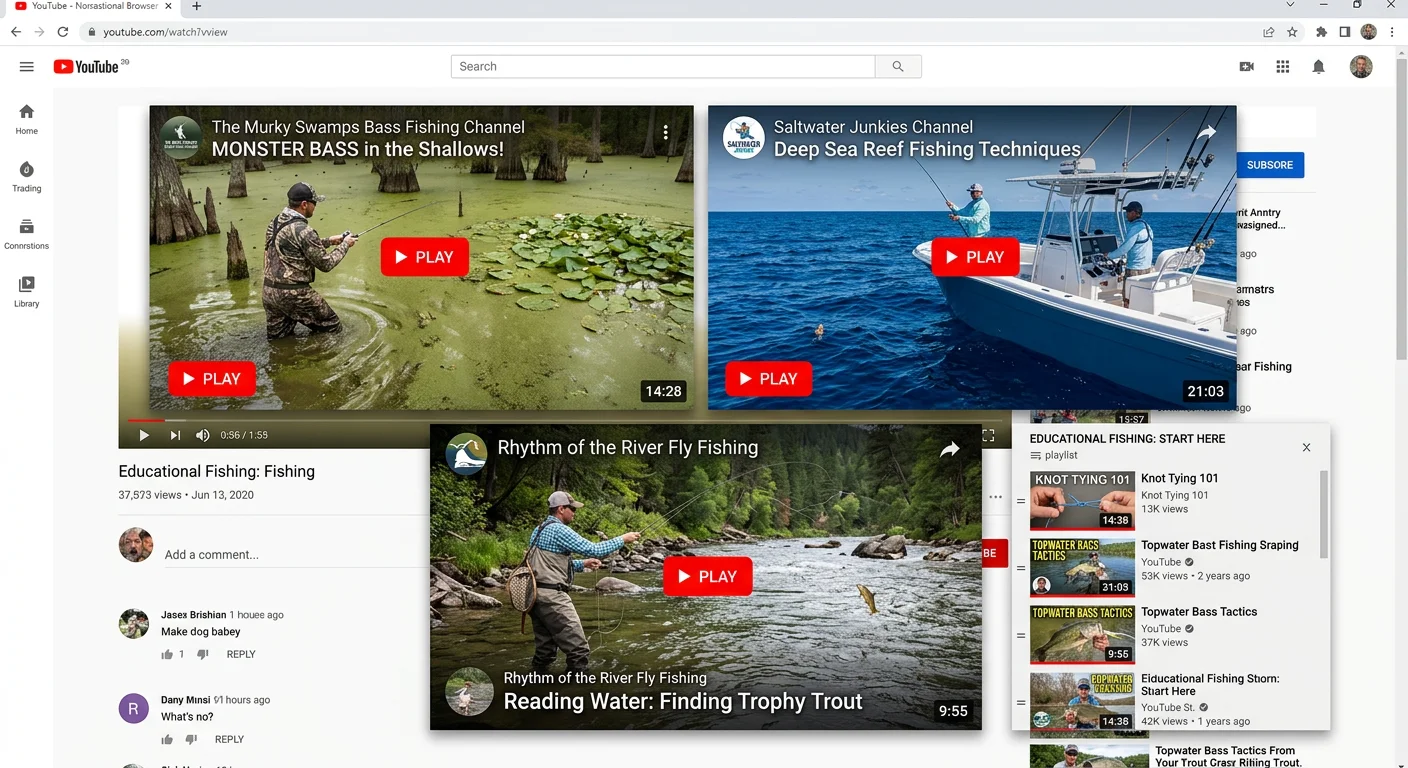
Finding fishing content on YouTube that teaches you something real — not just lucky catches and hype cuts — takes longer than most people expect. The good news? The top fishing creators on YouTube right now are sharp, stunning to watch, and worth your time. Chasing largemouth in murky shallows? Dropping lines offshore? Learning to read a river current for trout? There's a channel built for where you are right now. This list puts the best fishing YouTubers to follow in 2026 — bass, saltwater, and fly fishing — straight in front of you.Many fishing apparel brands using OEM/ODM fishing wear services also follow these creators to understand emerging trends in performance fishing clothing.
Top Bass Fishing YouTubers To Follow In 2026
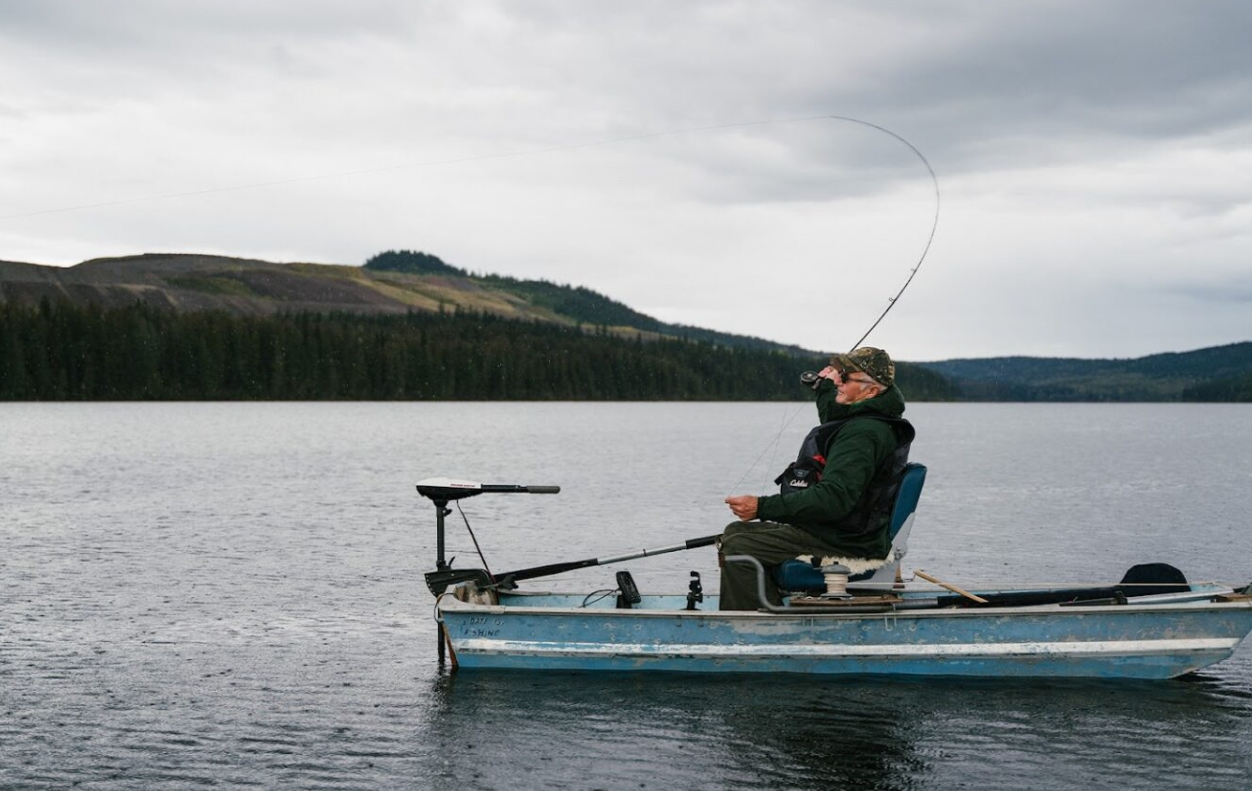
Bass fishing has one of the most crowded corners of YouTube. That's what makes this shortlist worth your attention. Not every channel posting a largemouth catch is teaching you to fish better. These five creators made the cut because they deliver real, repeatable knowledge — not just highlight reels.
The 2026 Bass Fishing Watchlist
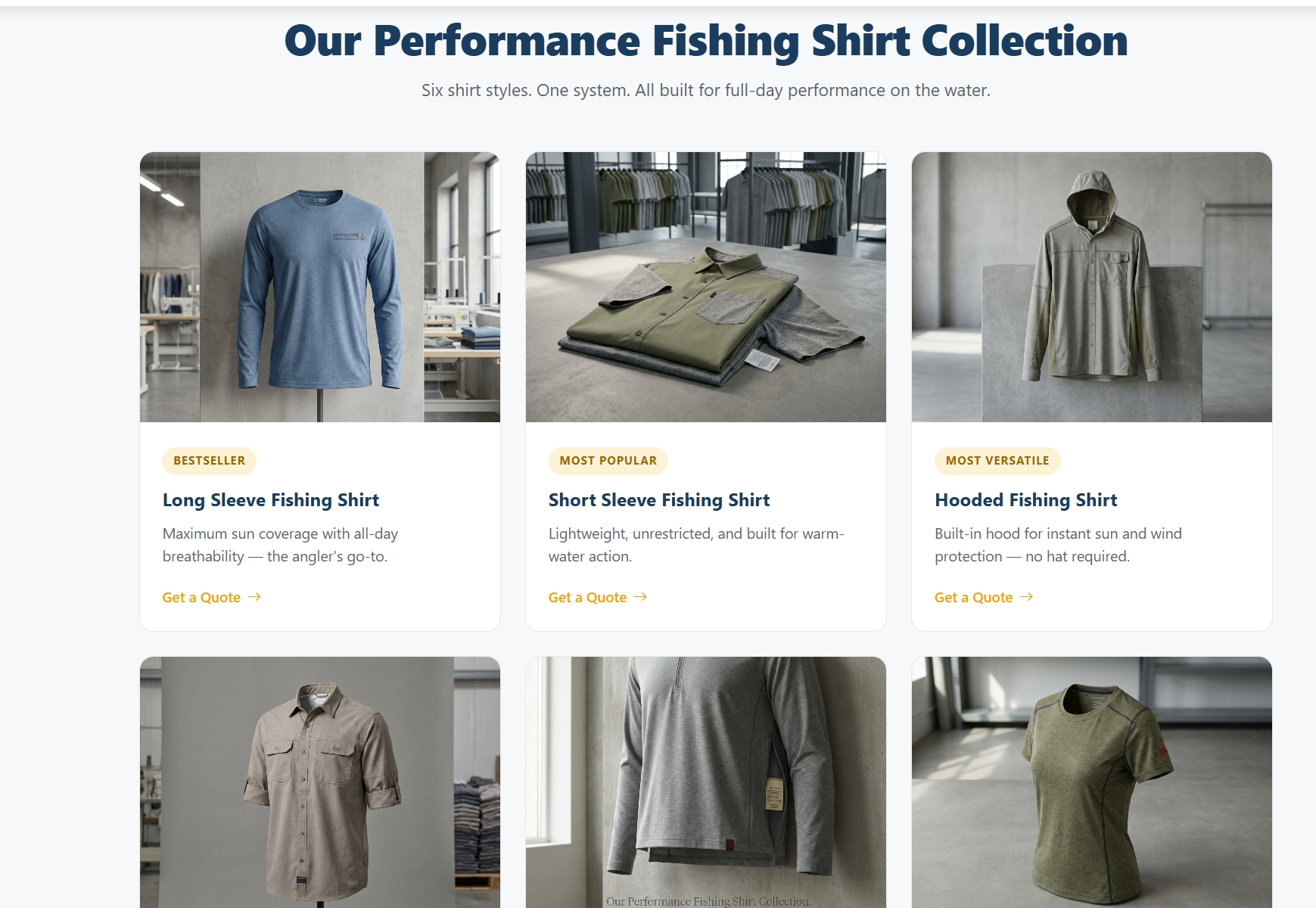
Here's the compact list. Bookmark it, subscribe to all five, and sort them by what you're trying to build.For tackle shops and fishing apparel retailers, sourcing Highly competitive wholesale price high-performance fishing shirts that is just as important as choosing the right gear to recommend.
1. Old School Bass Fishing
Start here for fundamentals done right. This channel cuts out the gadget obsession. It gets back to reading water, understanding structure, and making smart presentations. After a fishless morning, this is the channel you return to figure out what went wrong.
2. Get Your Fish On
High energy, but never hollow. Get Your Fish On pairs on-the-water action with solid technique breakdowns. Want to understand why a certain retrieve triggered the bite? This channel connects the dots. It's a strong fit for anglers past the beginner stage who want sharper decision-making on the water.
3. CT Sereal Tackle
Gear-focused, but not a shopping channel. CT Sereal Tackle covers honest, practical tackle topics — what to throw, the right conditions for each setup, and how to choose based on what the fish are doing. Useful for building your first tackle box or cleaning up what's already in it.
4. Chris Johnson
Chris Johnson runs his content with a tournament angler's mindset. Efficiency matters here. His videos zero in on pattern fishing — spotting what's working across a body of water and pressing that edge hard. Competitive bass anglers will get a lot out of this channel heading into tournament season.
5. Steve Chapman
Steve Chapman wraps up the list with clear, approachable content that's easy to follow. His channel covers seasonal patterns , finesse techniques , and location strategy in a way that sticks. New to bass fishing? This is your starting point.
How To Use This List
Don't subscribe to all five and binge without a plan. Match the channel to where you are right now:
Learning tournament strategy → Chris Johnson
Dialing in your tackle setup → CT Sereal Tackle
Building on-the-water instincts → Get Your Fish On
Going back to fundamentals → Old School Bass Fishing
Seasonal technique progression → Steve Chapman
Two or three well-chosen channels — watched with focus and used regularly — will do more for your fishing than ten channels you scroll through and forget. Pick the ones that match your current gap. Then apply what you're watching.
One last thing: the creators on this list take their gear seriously, including what they wear on the water. Sun protection, mobility, and durability all matter on a full tournament day or a long grind on a shallow flat. Fish like the people making this content. customfishingwear.com builds custom fishing apparel made for that kind of day.
Top Saltwater Fishing YouTubers To Follow In 2026
Saltwater fishing YouTube is a different animal. The stakes are higher, the gear is heavier, and the environments are less forgiving. The best channels on this side of the platform reflect that. These creators don't just chase fish. They show you how to read open water, rig for specific species, and think like an offshore angler before you leave the dock.
Here are five saltwater fishing YouTubers worth subscribing to in 2026.
The 2026 Saltwater Fishing Watchlist
1. BlacktipH (Josh Jorgensen)
Close to 5 million subscribers. That number means something in a niche as specific as extreme saltwater. Josh Jorgensen built BlacktipH into the go-to channel for big-game saltwater content — sharks, tarpon, snook, tuna — often in the same session. The production quality is high. The conservation messaging is genuine. Catch-and-release is standard practice here, not an afterthought. Want to see what top-tier saltwater YouTube looks like? Start here.
2. Darcizzle Offshore
Based out of Florida, Darcizzle runs regular offshore trips — reef, wrecks, pelagics. The rigging and bait breakdowns are step-by-step and easy to apply on the water. Trolling for mahi, bottom fishing for snapper and grouper, nearshore sharks — the channel covers the full range a center-console angler faces across a typical season. It's a practical reference, not a highlight reel. Use it to check your gear and rig choices before heading out.
3. Fisherman's Life
Shore and kayak saltwater fishing rarely gets this detailed. Fisherman's Life covers West Coast species — rockfish, lingcod, halibut, surf targets — with clear rig breakdowns: exact weights in ounces, leader lengths in feet, hook sizes listed out. Episodes mix catch-and-cook segments with real instruction on reading structure and timing tides. Reddit saltwater communities name this channel as a top pick on a regular basis. It earns that through precision, not production budget.
4. Bama Saltwater
Gulf Coast inshore fishing has its own rhythm. Redfish in the marshes, speckled trout along the jetties, flounder in the bays — Bama Saltwater covers Gulf Shores fishing with a level of detail that region-specific anglers will recognize as the real thing. The channel focuses hard on tide-dependent strategies: morning versus evening, incoming versus outgoing. You get clear guidance on which bait — live shrimp, mullet — works best and when. Multiple Reddit saltwater threads flag this as a genuine community favorite, not a sponsored pick.
5. John Skinner
Technical saltwater content doesn't get more precise than this. John Skinner breaks down fluke, striped bass, surf, and kayak fishing with depth and structure analysis that shapes your rig selection. Exact depths in feet. Current speed considerations. Jig weight versus depth ratios. Drift speed breakdowns. Pull this channel up to understand why a presentation is or isn't working in a given set of conditions. Reddit saltwater anglers call it "an excellent resource" — that's selling it short.
How To Match The Channel To Your Water
Your Focus | Best Channel |
|---|---|
Big game & offshore sharks | BlacktipH |
Center-console offshore trips | Darcizzle Offshore |
Shore/kayak West Coast species | Fisherman's Life |
Gulf Coast inshore (redfish, trout) | Bama Saltwater |
Technical structure & surf jigging | John Skinner |
Saltwater days are long, physical, and hard on gear — including what you wear. The creators on this list think carefully about sun protection, mobility, and durability before every trip. customfishingwear.com builds custom fishing clothing built for that kind of day on the water.
Top Fly Fishing YouTubers To Follow In 2026
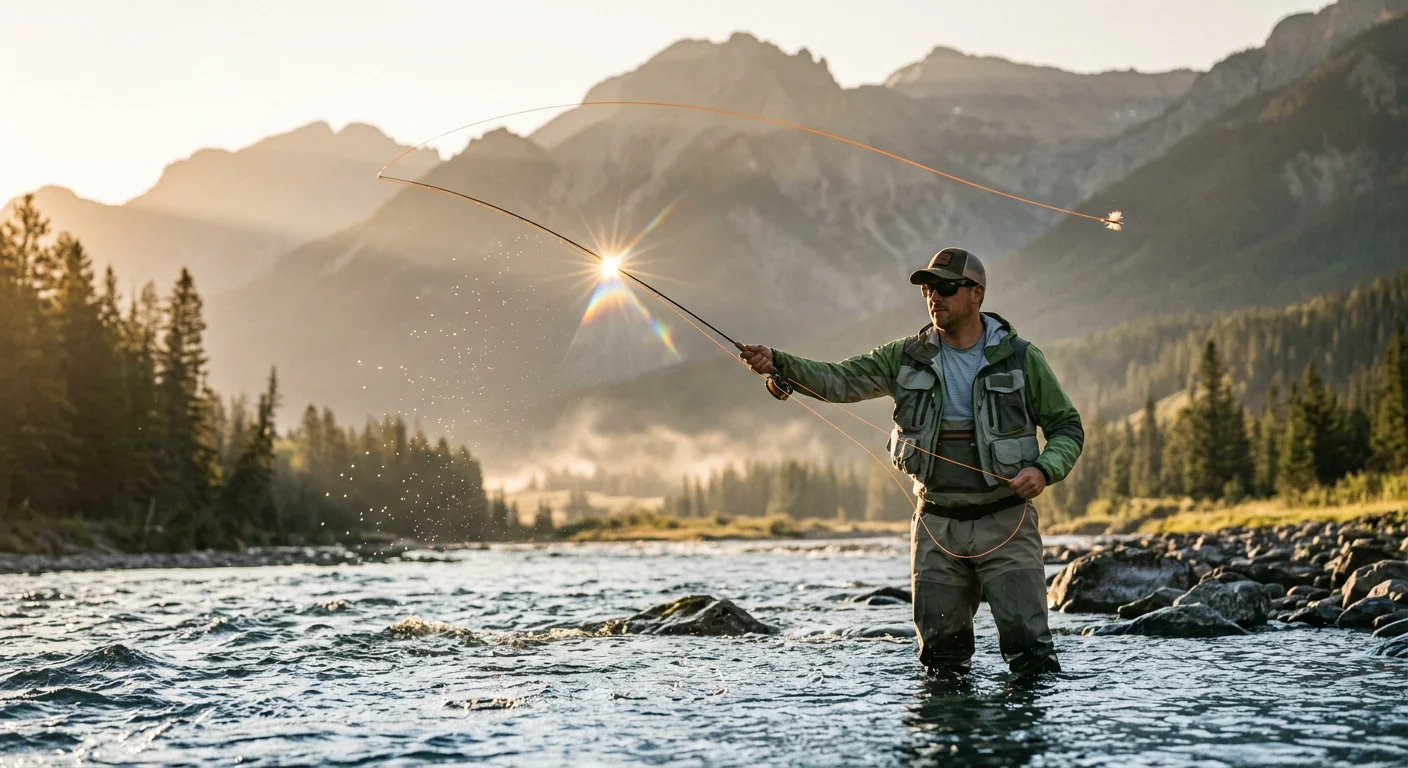
Fly fishing YouTube splits into two worlds. One is cinematic — slow-motion casts over glass-clear rivers, golden-hour light, fish rising in perfect arcs. The other is technical — leader formulas, tippet diameters, drift angles, water temperature at 7 a.m. The best fly fishing channels in 2026 deliver both. Here's how to find them, and which ones deserve your subscription.
What Separates A Great Fly Fishing Channel From A Pretty One
The benchmark that matters most isn't production quality. It's educational density . Pull up any channel's last ten videos. Check how many have titles like "How to rig for…" or "Reading current for…" or "Tactics for…" Fewer than four or five? You're watching a highlight reel. Not a learning resource. Pretty rivers. No real instruction.
The fly fishing channels worth following in 2026 clear a higher bar. They show you the exact leader setup — 9 to 12 feet total, butt section diameter called out, tippet size in X or millimeters. They mention flow rates. They tell you the fly is a size 18 CDC nymph, not just "a small nymph." That level of detail separates watching from improving.
The 2026 Fly Fishing Watchlist
1. Wild Fly Productions
Adventure-forward, but never shallow. Wild Fly Productions puts out 15–25 minute trip films — multi-day expeditions, remote rivers, cinematic edits that show you how the fishing works. Around 70% of the content focuses on travel and adventure. The remaining 30% covers gear and fly selection with enough detail to be useful. Upload rate holds at two to four videos per month. Engagement runs 4–8%, which is strong for long-form content in a niche category. This channel gives you inspiration with technique attached.
2. Orvis Fly Fishing
The most structured library on this list. Over 300 videos sit organized into beginner, intermediate, advanced, and species-specific playlists — trout, bass, saltwater. The "how to cast" and "how to start fly fishing" series have crossed 5 million cumulative views for a reason. Send a new angler here on day one. Come back yourself when your cast breaks down and you need to trace it to fundamentals. Brand-backed, but the instruction holds up.
3. Euro Nymphing / Tight-Line Specialists
This corner of fly fishing YouTube is growing faster than any other right now. The strongest channels here sit between 50k and 150k subscribers. They publish three to six technical videos per quarter. Each one drills into leader construction, sighter setup, mono-rig variations, and competition-style strategies. Look for titles with specific language: "Euro nymphing," "tight-line," "French leader." A channel using those terms and backing them up with exact on-screen measurements belongs on your list.
4. Saltwater Fly Fishing Creators
Tarpon. Permit. Giant trevally. Striped bass on poppers. Saltwater fly fishing channels sit in the 100k to 250k subscriber range. Most publish one to two major trip films per month. Destination content costs real money — a hosted trip runs USD 3,000 to 6,000 once you add flights, guide fees, and lodge costs. That's why production quality on these channels tends to be high. Look for shock tippet lengths listed in feet, breaking strain called out in pounds, and fly sizes matched to the target species. Channels that skip those details cover atmosphere, not technique.
How To Build Your 2026 Fly Fishing Channel Portfolio
Five to ten channels is the right number. More than that and the queue turns to noise. Structure your list like this:
Specialty | How Many To Follow |
|---|---|
Adventure / destination storytellers | 2–3 channels |
Technical trout & river tactics | 2–3 channels |
Warmwater (bass, carp, pike) | 1–2 channels |
Saltwater (tarpon, bonefish, redfish) | 1–2 channels |
Also add two or three emerging channels under 50k subscribers. Look for high technical detail per video and median views rising across their last ten to twenty uploads. That's where the next generation of useful fly fishing content is being built right now.
Re-evaluate every six to twelve months. Channels worth keeping in 2026 post at least 24 long-form videos per year. They cover current techniques — modern Euro-nymphing refinements, stillwater chironomid fishing, updated streamer tactics. A channel that goes quiet for more than sixty days drops off the active list.
The people making the best fly fishing content on YouTube spend serious time outside — on rivers, flats, and tailwaters where conditions don't care what you're wearing. Sun protection and mobility matter on a full day wade or a saltwater flat. customfishingwear.com builds custom fly fishing apparel made for exactly that kind of day.
How To Choose the Right Fishing YouTubers for Your Style and Skill Level
The wrong channel wastes more time than no channel at all. Here's a system that cuts straight to what works.
Step 1: Lock In Your Primary Fishing Type First
Don't try to optimize for everything at once. Pick one lane.
Bass fishing — largemouth, smallmouth, tournament-oriented or casual weekend angling
Saltwater — inshore redfish and trout, or offshore pelagics and structure fishing
Fly fishing — trout rivers, warmwater species, or saltwater flats
Name your primary type first. Channel selection becomes a filtering problem, not a discovery problem. Every other step gets easier from there.
Step 2: Match the Channel to Your Actual Goal
Same fishing type, different needs. A casual weekend bass angler and a tournament competitor want completely different things from YouTube.
Your primary goal | Channel type to prioritize | Examples from this list |
|---|---|---|
Tournament-grade bass skills | Advanced pattern analysis, seasonal breakdown | Chris Johnson, Get Your Fish On |
Casual weekend bass, fun first | Challenge/vlog mix with basic tips | Old School Bass Fishing, Steve Chapman |
Gear discovery and tackle builds | Gear-heavy, honest product content | CT Sereal Tackle |
Technical saltwater structure | Drift, depth, and rig precision | John Skinner |
Gulf Coast inshore tactics | Tide-dependent, region-specific | Bama Saltwater |
Fly fishing instruction from scratch | Structured beginner playlists | Orvis Fly Fishing |
Fly fishing adventure + technique | Long-form expedition content | Wild Fly Productions |
The same rule applies to saltwater and fly fishing. Less than 60% of a channel's recent uploads focused on your target method? You're watching variety content — not a learning resource.
Step 3: Calibrate for Skill Level
If you're newer to the water:
Look for video titles with "how to," "beginner," "first steps," or numbered steps on screen
Check the first two minutes of any tutorial. A solid beginner channel explains where , why , what gear , and defines basic terms before moving on
Target videos in the 8–15 minute range . Short enough to follow start to finish. Long enough to show real on-water execution
Good channels for beginners have full series — "Bass Fishing 101," "Beginner Bank Fishing" — not just scattered single uploads
If you're past the basics:
Look for these signals in a channel's recent uploads:
- Seasonal patterning, contour map reading, live sonar tuning
- Tournament prep and recap content
- Specific rigging formulas with exact measurements called out
Here's a simple filter. More than 50% of recent uploads cover gear optimization, electronics, or tournament breakdowns? That's an advanced channel. More than 50% cover first steps, pond fishing, or beginner mistakes? It's beginner-friendly. Go by the percentages, not the channel name.
Step 4: Run the 10-Video Content Audit
Open any channel. Pull up the last 10 videos. Sort them into three buckets:
How-to / tips / tutorial — title or thumbnail includes "how," "tips," "guide," or technique language
Gear review / unboxing / sponsor challenge
Vlog / trip / challenge / travel story
Count them up:
≥60% how-to → education-first channel. Good for skill-building
≥40% gear review → gear-focused. Useful for equipment decisions, not technique depth
≥50% vlog or challenge → entertainment-first. Fine for motivation, but check that at least 30–40% of content still teaches something
Want faster improvement? Protect that 60% how-to threshold. That number separates channels that build real skills from channels that just fill your feed.
Step 5: Check for Red Flags Before You Subscribe
Four things to check before committing:
1. On-water demo quality. Any how-to video worth your time needs at least two to three full on-water sequences — real casting, retrieve, hook-set, landing. Indoor tutorials with zero live water footage are a weak substitute. More than half their how-to content filmed off the water? Move on.
2. Undisclosed sponsorships. A channel that features the same brand of rods, lures, or apparel in more than 70% of videos without a clear sponsorship disclosure is selling you something. Treat that gear advice as marketing with a tutorial wrapper around it.
3. Outdated methods. Teaching content more than four or five years old — and not updated — won't reflect current fisheries, electronics, or technique changes. Check the upload dates on the instructional videos, not just the most recent trip clips.
4. Comment section quality. Skim the recent comments on two or three how-to videos. A good sign: detailed technique questions and real creator responses. A red flag: pure hype, merch mentions, and no real back-and-forth about what happened on the water.
One More Signal Worth Checking
Strong educational creators don't stay on YouTube alone. The best ones push their content into podcasts, blogs, or detailed social posts — places where diagrams and longer breakdowns live. A creator who keeps detailed, technical content across multiple platforms is showing real depth. The teaching isn't a side feature of their content strategy. It is the strategy.
Check like-to-view ratios as a fast engagement test. Educational channels with strong communities run 3–8% like rates on how-to videos. For videos in the 50k–200k view range, look for at least 200–1,000 comments with real technique questions. Numbers below that range often point to passive audiences — people watching but not using any of it.
Conclusion
Chasing largemouth in lily pads, dropping lines offshore, or presenting dry flies on a mountain stream — the right fishing YouTube channels can speed up your skills fast. They also make the slow seasons a whole lot more bearable.
The creators on this list aren't just entertainers. They're obsessive anglers who document real technique, real failures, and real fish. Pick a handful that match your style. Pay close attention to why they make the decisions they do on the water. You'll start seeing your own fishing in a new light.
Here's your next move:
Bookmark two or three channels from each category
Subscribe to them
Watch with intention — not just for entertainment, but as a student of the sport
Ready to show up to the water looking as serious as the anglers you've been watching? Custom Fishing Wear has you covered — built for the way you fish, personalized to how you want to show up.